Repair TipsHome Maintenance
How to clean dryer vents to prevent fires and improve efficiency
Cleaning your dryer vents is essential to prevent fires and enhance efficiency. Discover how with our expert guide tailored for Glenview residents.
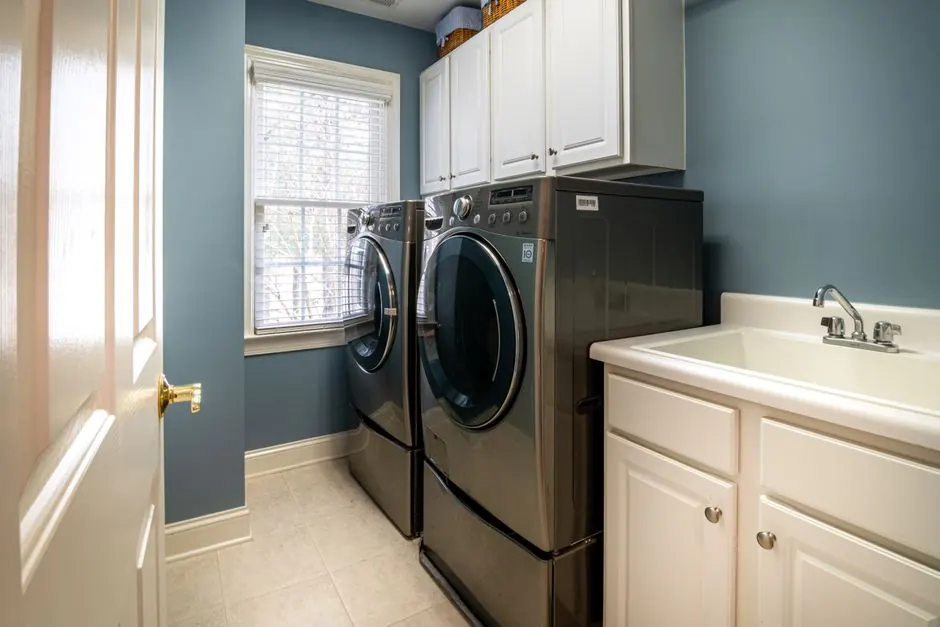
Cleaning dryer vents is crucial for preventing fires and improving the efficiency of your dryer. Over time, lint and debris can accumulate in the vent, leading to potential fire hazards and reduced performance.
In this guide, we will explore the importance of cleaning dryer vents, how often to do it, detailed steps for cleaning, common mistakes to avoid, and when to call a professional in Glenview.
Why clean dryer vents?
Dryer vent cleaning is a maintenance task that ensures your dryer operates safely and efficiently. Clogged vents can cause overheating, which is a leading cause of dryer fires.
How often should you clean dryer vents?
You should clean your dryer vents at least once a year to maintain efficiency and safety. However, if you frequently use your dryer or have a large household, consider cleaning them every six months.
Steps to clean dryer vents
Cleaning dryer vents involves several key steps:
- Unplug the dryer: Ensure your dryer is disconnected from the power source before starting the cleaning process.
- Access the vent: Move the dryer away from the wall to access the vent duct.
- Detach the vent duct: Unscrew or unclip the vent from the back of the dryer.
- Use a vacuum: Use a vacuum with a long attachment to remove lint from the duct. A lint brush can also help to dislodge stubborn debris.
- Clean the exterior vent: Check the outside vent for blockages and clean it as well.
- Reassemble: Reattach the vent duct securely and push the dryer back into place.
Regular maintenance can significantly reduce the risk of fires. For residents in Glenview, Dryer Vent Cleaning in Glenview is a service we recommend if you prefer professional help.
Common mistakes when cleaning dryer vents
Many homeowners make mistakes during the cleaning process that can lead to ineffective results or damage. Here are some common pitfalls:
- Not cleaning the exterior vent: Focusing only on the interior duct can leave blockages in the exterior vent, which can still pose a risk.
- Using improper tools: Avoid using standard household tools that may not effectively remove lint.
- Ignoring signs of blockage: If your dryer takes longer to dry clothes, it may indicate a clogged vent that needs immediate attention.
When to call a professional
If you notice persistent issues with your dryer, such as excessive heat or longer drying times, it may be time to call in the experts. At Washer & Dryer Repair services, we provide comprehensive Dryer Repair Glenview IL services that include vent cleaning and diagnostics.
Frequently Asked Questions
1. How do I know if my dryer vent is clogged? If your dryer takes longer than usual to dry clothes or if you notice a burning smell, your vent may be clogged.
2. Can I clean my dryer vent myself? Yes, you can clean your dryer vent yourself using a vacuum and a lint brush. However, professional cleaning is recommended for thoroughness.
3. What are the risks of not cleaning dryer vents? Not cleaning your dryer vents can lead to reduced efficiency, increased energy bills, and a higher risk of dryer fires.
4. How much does professional dryer vent cleaning cost? In 2026, typical costs for professional dryer vent cleaning in Glenview range from $100 to $200, depending on the extent of the service required.
5. How can I prevent lint buildup in my dryer vent? Regularly clean your lint filter after each use and schedule annual professional cleaning to prevent buildup.